Gardening Services in Chessington

Gardening Services Chessington means practical, well-organised help for keeping outdoor spaces neat, usable and seasonally tidy. Our work can include regular garden maintenance, one-off clearance, hedge trimming, lawn care and wider landscaping tasks, depending on what your plot needs. The aim is straightforward: maintain healthy growth where it matters, improve presentation, and make outdoor areas easier to enjoy and manage through the year.
We support domestic gardens, shared outside spaces and properties that need a more structured approach after a period of neglect or change. Some customers want routine mowing and pruning, while others need help with overgrown borders, bulky green waste or a garden layout that no longer works. If you are comparing options, our services overview gives a useful starting point before you request a quotation.
Good gardening work is rarely about one task alone. A lawn may need cutting, edging and feeding; shrubs may need shaping as well as deadwood removal; a tired border may need clearance, replanting and a better surface finish. We keep the service flexible, so the work can be planned around condition, season and access rather than forcing a fixed package onto every property. That makes it easier to match the job to the garden rather than overworking it or leaving unfinished detail behind.
Regular garden maintenance
Regular maintenance suits gardens that need consistent attention rather than an occasional rescue. It can include mowing, edging, light weeding, pruning of manageable growth and keeping paths or borders from becoming untidy. The main benefit is continuity: growth is controlled before it becomes difficult to handle, and the garden stays presentable without needing a bigger recovery job later. This style of work is often the most effective way to preserve shape and structure across a season.
Maintenance visits can be adapted to the size and condition of the space, with more attention given to the parts that change quickly, such as lawns, hedges and front-facing beds. If you are planning ongoing care, it helps to think about which areas need the most frequent attention and which only need seasonal work. For straightforward details about availability and next steps, you can contact us here when you are ready to discuss the garden.
Where a garden has mixed needs, it is usually better to combine tasks into one planned visit. For example, trimming hedges at the same time as mowing can keep edges crisp and reduce the chance of clippings being left in beds. Similarly, tidying borders before the growing season can make later maintenance simpler. This kind of joined-up care is particularly useful when you want the garden to look orderly without overcomplicating the schedule.
Hedge trimming and shaping

Hedge trimming is about more than shortening growth. Done well, it supports shape, density and a cleaner boundary line. Some hedges need gentle clipping to keep a defined outline, while others need more assertive reduction to restore a manageable size. The correct approach depends on the species, timing and current condition, because different plants respond differently to cutting. A careful trim helps avoid ragged finishes and can keep the hedge looking even from end to end.
Overgrown hedges can affect light, access and the overall balance of a garden, so they often need a considered approach rather than a quick cut. We can work on front boundaries, side runs and garden screening, with attention to the final shape and the amount of material removed. If a hedge has become too tall or too wide, it may be better to bring it back in stages. Hedge trimming is the dedicated page for this type of work.
Useful hedge work also includes clearing the cuttings properly and checking that the final profile sits well with fences, driveways and planting below. A neat result is usually about balance rather than a hard line alone, especially where the hedge forms part of the overall garden design. When the hedge is one element within a broader tidy-up, combining it with border care or mowing often gives the best visual finish.
Lawn mowing and lawn care
Lawn mowing is one of the most visible parts of garden upkeep, but the best results come from more than simply cutting grass. Edge definition, mowing height, clippings management and the condition of the turf all influence the finish. A lawn that is cut too harshly can look stressed, while one that is left too long can become uneven and harder to bring back to a neat standard. Sensible mowing helps keep growth balanced and the surface usable.
Alongside mowing, lawns may benefit from light seasonal attention such as clearing debris, reducing patchy growth around borders and keeping grass from spilling into paving or beds. Where the lawn is part of a larger maintenance plan, it can be coordinated with pruning or clearance so the whole outside area feels consistent. For a fuller look at this type of work, visit lawn mowing if you need more detail on the service itself.
People often want a lawn that simply looks tidy, but the result is improved when the surrounding details are handled as well. A clean lawn edge, sensible access routes and uncluttered corners can change the whole impression of a garden. If you are deciding what to include in the job, think about whether the grass, borders and hard edges should all be dealt with in one visit so the finish feels complete rather than partial.
Garden clearance and overgrown spaces

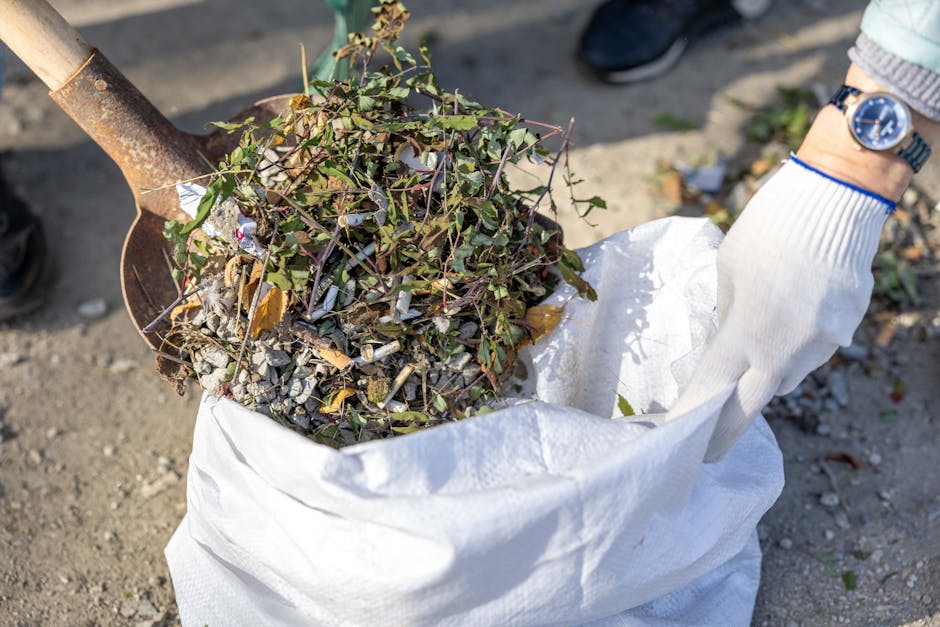
Garden clearance is the right choice when a space has become cluttered, overgrown or difficult to use. This can involve removing dead material, cutting back excessive growth, gathering green waste and restoring access to paths, beds or patios. The purpose is not just tidying for appearance; it is also about recovering usable space and making later maintenance more straightforward. In many cases, a clearance opens the way for repairs, planting or a new layout.
Some clearances are light and involve only seasonal debris, while others require a more thorough approach where brambles, thick weeds or neglected borders have taken over. We can assess the visible work needed and plan the clearance in sensible stages if that is more practical. For a dedicated explanation of this kind of work, see garden clearance. That page is useful if you want to focus on recovery work rather than routine upkeep.
A strong clearance usually creates a clean base for whatever comes next. That might mean lawn restoration, replanting, better edging or simply a return to a space that can be walked through without difficulty. Clearances also help when a garden has several layers of waste, old supports or mixed materials that need separating carefully. The aim is a sensible, tidy result with the garden ready for its next stage.
Landscaping and garden changes
Landscaping covers work that changes the structure, look or layout of an outdoor space rather than simply maintaining it. This may involve reshaping beds, improving borders, refreshing surfaces or adjusting how different areas connect. For some gardens, a better layout is the most practical improvement because it makes the space easier to use and maintain. For others, landscaping is more about visual renewal, creating a neater finish and clearer definition between lawn, planting and hard landscaping.
Smaller improvements can have a real effect when they are properly planned. New edging, tidier transitions between surfaces and a more coherent planting arrangement can make a garden feel more settled. If you are considering a broader refresh, landscape gardening offers a route into work that blends planting and structure, while landscaping is useful if your focus is more on the physical layout and finish.
Where landscaping and maintenance overlap, it is worth separating what needs one-off construction or redesign from what should continue as routine care afterwards. A new border, for example, may need planting and shaping now, but it will also need pruning and weed control later. Thinking in those terms makes it easier to choose the right level of work and avoid paying twice for the same area in different forms.
Tree, shrub and boundary work
Gardens often need selective cutting in addition to general maintenance, especially where shrubs, small trees or boundary planting start to dominate the space. Careful reduction can improve shape, let in more light and prevent growth from crowding paths or neighbouring features. The work needs judgement because different plants tolerate different kinds of cutting, and a poor cut can leave a hedge, shrub or tree looking uneven for a long time.
Where larger woody growth is involved, it is helpful to separate light shaping from more substantial reduction. That keeps the work controlled and helps protect the plant where possible. If you need a service focused on stronger cutting back or removal, tree lopping and removal is available as a related option. For smaller, regular boundary shaping, it is usually better to keep the work within pruning and maintenance rather than overcommitting to major reduction.
Tree and shrub work also affects the overall garden rhythm. Once larger growth is under control, light, visibility and access often improve immediately. This can make lawns easier to maintain and borders easier to reach. Careful trimming around fences, sheds and paved areas can also reduce untidy encroachment and help the space feel more deliberate, rather than crowded and left to spread unchecked.
Choosing the right mix of services

Many gardens need a combination of jobs rather than one isolated task. A practical quotation usually starts with the visible priorities: what is overgrown, what is routine, and what would make the biggest difference first. A customer may need a one-off clearance before settling into maintenance, or hedge work before a lawn can be properly finished. Grouping the tasks sensibly can save time and create a cleaner result across the whole garden.
When planning the work, it helps to note access points, the size of the affected areas and any features that need care around them, such as paving, planted beds or delicate surfaces. If you are gathering the details for a quote, a brief description is often enough to begin with. You can then use pricing and quotes to understand how estimates are approached and what information is useful when requesting one.
For many customers, the best route is a staged plan rather than trying to complete everything at once. A first visit can deal with the worst growth or debris, followed by regular maintenance or selective improvement work. That approach is especially sensible where the garden has been neglected or where different parts of the space need different levels of attention. It keeps the job manageable while still moving the garden towards a better standard.
About Chessington
Chessington is a district in the Royal Borough of Kingston upon Thames, in southwest London, lying close to the boundary with Surrey. The name is associated with a long-settled area that developed from earlier rural communities into a suburban place with transport links to the wider capital. Today it is known for a mix of residential streets, green open spaces and leisure destinations, with the A3 corridor and local rail services shaping how people move in and out of the area. The presence of open land alongside built-up streets gives Chessington a varied character that feels less dense than inner London districts while still remaining firmly connected to the city. One of the best-known landmarks is Chessington World of Adventures Resort, which has grown into a major attraction and contributes to the area’s public identity. Beyond that, the district includes parks, schools, local shops and housing from different periods, reflecting several waves of suburban expansion. The surrounding landscape also matters: Chessington sits near the old county edge between London and Surrey, and nearby commons and green corridors have helped preserve a more spacious feel in parts of the district. Local roads and neighbourhoods vary between older lanes, post-war development and newer infill, so the built environment is mixed rather than uniform. That combination of settlement history, transport access and open space gives Chessington a practical, lived-in quality that many residents recognise in everyday use.
Preparing for a quotation
To prepare an accurate quotation, it is useful to think about the garden in practical sections: front boundary, rear lawn, side passage, beds, hedges and any overgrown areas. A short note about which parts need attention first can help shape the visit. If photos are available, they can be helpful, but they are not the only way to begin a conversation. The main aim is to identify the work clearly enough that the right type of gardening task is proposed.
It also helps to mention whether you want a one-off visit or an ongoing arrangement. The amount of growth, the amount of waste to be removed and the level of finish all affect the scope of the work. If you are ready to go further, the final step is simple: request a quotation. A clear enquiry makes it easier to match the service to the garden without unnecessary back-and-forth.
If you are comparing several tasks, try to decide which items are essential and which are optional. That makes the quotation more focused and helps the work begin with the most important areas first. Whether the job is maintenance, clearance, hedge work or a more involved garden update, a well-described brief usually leads to a better plan and a tidier outcome.
Why a tidy outdoor space matters

A tidy garden is not only about appearance. It can make routine care easier, reduce the amount of time spent dealing with tangled growth and improve how outdoor areas are used day to day. Clear paths, defined borders and well-kept lawns create a stronger sense of order, while controlled planting makes the space feel intentional rather than left to chance. That is especially useful when the garden is part of a family home or a property that needs to look presentable through the seasons.
Our gardening work is designed to support that kind of outcome without overcomplicating it. Some customers want a simple seasonal refresh; others need a more involved recovery before they can maintain the garden themselves. Either way, the work is best approached in sensible steps, with the most visible issues addressed first and the finer details completed once the main structure is in place. Garden maintenance is a helpful option when the space needs ongoing attention after the initial tidy-up.
If you would like to bring a garden back under control or keep it looking well managed, start with the main issue and build from there. We can help with the practical side of the job, from routine cutting and trimming to larger clearances and improvements. For a straightforward next step, make an enquiry today and ask for a quotation.