What to know Kingston council garden waste rules Chessington
If you live in Chessington and your green bin seems to fill up the moment the hedge is trimmed, you are not alone. Garden waste rules can feel oddly specific until you are stood in the driveway with a bag of clippings, wondering what the council will actually take. This guide on What to know Kingston council garden waste rules Chessington breaks it down in plain English: what garden waste usually means, how to stay within council expectations, where people most often go wrong, and how to make clearance and maintenance a lot less stressful. Let's keep it practical, because nobody needs a lecture about grass cuttings on a wet Tuesday morning.
Why these garden waste rules matter in Chessington
Garden waste is one of those household jobs that looks simple until the pile grows. Kingston council garden waste rules matter because they help keep collections safe, predictable, and efficient. When the right material goes in the right place, collection crews can do their work faster and less contamination ends up mixed in with compostable waste.
For Chessington households, that usually means two things. First, you want to know what belongs in a garden waste collection. Second, you want to avoid filling a bin or bag with material that may be rejected, left behind, or treated as general waste instead. That last part can be frustrating, especially if you have already spent an afternoon cutting back brambles or hauling damp hedge trimmings across the patio.
There is also the wider environmental angle. Properly separated garden waste is more likely to be recycled or composted, which is better than sending it to disposal. If you are already thinking about sustainability, recycling and sustainability is a good mindset to bring to routine garden maintenance as well.
Expert summary: The key is simple: keep garden waste clean, separate, and free from the non-garden items that councils commonly refuse. That one habit prevents most collection problems.
How the garden waste system works
In practical terms, council garden waste rules usually focus on what counts as acceptable organic garden material and how that material must be presented for collection. Exact service details can change, so it is always sensible to check the current Kingston Council guidance before setting anything out. Still, the day-to-day pattern is fairly familiar across London boroughs.
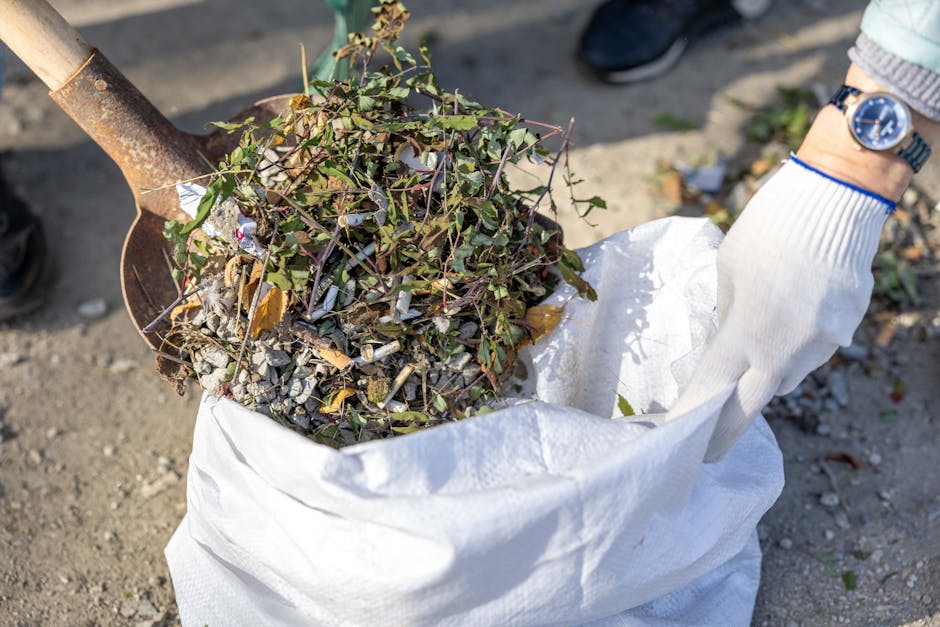
Most of the time, accepted garden waste includes things like grass cuttings, leaves, hedge trimmings, small branches, weeds, plant cuttings, and other natural material from routine garden upkeep. What tends to cause problems is contamination: plastic plant pots, rubble, soil, stones, treated timber, food waste, and general household rubbish are often not allowed in a garden waste collection.
If you have just finished a tidy-up and the sacks are full of mixed bits and pieces, pause before you bag them all together. A bit of sorting now is much easier than dealing with a rejected collection later. Truth be told, most people only make that mistake once.
For larger jobs, garden waste rules can also overlap with bigger clearance needs. If your garden is being reset after a long spell of neglect, a dedicated service like garden clearance may be more suitable than relying only on routine council collection.
What garden waste usually means in practice
- Green cuttings: lawn clippings, hedge trimmings, weeds, and prunings.
- Soft plant material: flowers, dead plants, and leaves.
- Small woody waste: light branches and twigs, depending on local acceptance rules.
- Natural debris: material from ordinary garden upkeep, not construction work.
What is usually not accepted
- Soil, turf in excess, stones, bricks, and rubble
- Plastic, metal, glass, and packaging
- Food scraps and general kitchen waste
- Large tree trunks or heavy timber
- Treated wood, fencing, and decking offcuts
That last point catches people out. A few offcuts from a project can turn a garden waste bag into a mixed waste bag in seconds. If you are reshaping an outdoor space and want a clean finish, it may be better to pair routine garden collection with broader work from landscaping or landscape gardening support, depending on the job.
Key benefits and practical advantages
Following garden waste rules is not just about avoiding awkward collection day surprises. It has a few real-world benefits that are easy to miss when you are mainly focused on getting the pile gone before the rain starts again.
- Cleaner collections: when waste is sorted properly, it is less likely to be rejected.
- Less clutter: regular removal keeps lawns, borders, and paths usable.
- Better garden health: clearing away diseased or overgrown material can reduce spread and encourage healthier growth.
- More efficient maintenance: small, frequent clear-ups are far easier than one massive seasonal rescue mission.
- Better presentation: especially useful if you are preparing a home for sale, guests, or outdoor improvements.
There is also a practical money point. If waste is separated properly, you are less likely to need a second collection or additional disposal handling. And if you are planning ongoing upkeep, regular mowing, hedge work, and seasonal cut-backs can be scheduled more smoothly through services such as lawn mowing, hedge trimming, and garden maintenance.
Who this is for and when it makes sense
This topic matters to a fairly wide group of people in Chessington. If your garden is tiny, you may only need to know the basics once a month. If you have mature shrubs, a long hedge line, or a garden that seems to grow faster than you can clear it, the rules become part of your routine.
It makes sense for:
- Homeowners who use council garden waste collection for weekly or seasonal upkeep
- Landlords and letting agents managing shared outdoor spaces
- People preparing for an end-of-tenancy clean-up
- Residents doing pruning after stormy weather or a heavy growing season
- Anyone deciding between council collection and a paid clearance service
It also matters if you are dealing with more than simple trimmings. For example, if you have fallen branches, a dead tree, or overgrown saplings, a specialised service such as tree lopping and removal may be more appropriate than treating everything as ordinary garden waste.
And yes, sometimes the answer is just a quick tidy of a single bed. Other times it is an all-hands-on-deck situation with three black bags, a wheelbarrow, and a hedge that has clearly had ideas of its own.
Step-by-step guidance
If you want to stay on the right side of council rules and keep your garden manageable, a simple process works best. No drama needed.
- Sort the waste as you go. Keep green waste separate from plastic pots, soil, stones, and general rubbish.
- Remove obvious contaminants. Shake off compost, take out labels, pull out ties, and check bags for bits of packaging.
- Cut bulky material down. Long branches and thick stems are easier to handle when they are reduced to manageable lengths.
- Use suitable containers. Follow the council's collection rules for bins, bags, or bundles if you are using the service.
- Keep the waste dry if possible. Soaked material is heavier and harder to handle, especially after a typical Chessington downpour.
- Set it out correctly and on time. Missed or poorly presented collections are one of the most common reasons for delays.
- Review what was left over. If the job produced more waste than expected, plan a second collection or a clearance service before it piles up again.
A good habit is to inspect the waste at the end with fresh eyes. Five minutes now can save you a whole morning later. If the pile includes mixed materials from a larger project, it may be time to bring in support through services overview and decide whether a broader clearance or maintenance visit is the cleaner option.
Quick decision rule
If the waste is mostly soft, green, and clean, council collection is often the best fit. If it is mixed, heavy, woody, or tied to a major garden project, a more comprehensive service is usually easier.
Expert tips for better results
In our experience, the people who have the easiest time with garden waste are not necessarily the ones with the smallest gardens. They are the ones who keep things tidy all year rather than waiting for a brutal end-of-season clear-up.
- Prune little and often. Smaller amounts are easier to sort and less likely to overflow bins or bags.
- Use a dedicated corner for green waste. One place for cuttings makes it easier to stay organised.
- Combine tasks intelligently. If you are mowing, trimming, and clearing, do the sorting before the pile becomes a mess.
- Plan around weather. Dry waste is far easier to move and present neatly.
- Separate woody material early. Branches and hedge trimmings behave very differently from grass cuttings.
- Think seasonally. Spring and autumn usually need more frequent attention, especially in established gardens.
If your garden regularly produces more waste than one household collection can comfortably handle, a recurring maintenance plan can make life easier. A service like garden maintenance can keep growth under control, which means less waste buildup in the first place. That sounds obvious, but people often overlook it until the compost heap is threatening to become a small ecosystem.
Small note: do not leave cuttings in sealed bags for too long. They can become heavy, messy, and a bit unpleasant. Not the end of the world, just annoying.
Common mistakes to avoid
Most garden waste problems are preventable. The tricky part is that the mistakes usually seem minor at the time.
- Mixing waste streams: garden waste mixed with rubbish, soil, or building materials often causes collection issues.
- Overfilling containers: if bags or bins are packed too tightly, they can be difficult to collect.
- Leaving in non-organic items: plant labels, tape, pots, and ties often get missed.
- Assuming all green material is accepted: not every council collection treats every type of garden debris the same way.
- Ignoring larger waste needs: a one-off garden overhaul is not the same as weekly hedge clipping.
- Waiting too long: by the time waste is damp, compacted, and spread across the garden, the job is far harder than it needed to be.
Another one: people sometimes forget that improvements to the garden itself can reduce future waste. Better layout, clearer planting structure, and sensible borders all help. That is where landscaping or landscape gardening can make a practical difference, not just a visual one.
Tools, resources and recommendations
You do not need a garage full of kit to manage garden waste well. A few sensible tools go a long way.
- Heavy-duty garden bags: useful for leaves, clippings, and light trimmings.
- Wheelbarrow or garden trolley: handy for moving waste without constantly carrying it by hand.
- Rake and broom: essential for collecting loose debris from lawns, paths, and beds.
- Secateurs and loppers: help reduce branch size before collection.
- Tarpaulin or sheet: makes it easier to drag piles across the garden without scattering them everywhere.
- Storage tubs for non-waste items: keep pots, ties, and reusable bits separate from the start.
If you are comparing support options, it can help to think in layers. Routine grass and hedge work might only need lawn mowing or hedge trimming. A fuller seasonal tidy may fit garden clearance. If the garden is being redesigned or improved, you may want to look at all available services before deciding.
For customers who care about practicality and reassurance, pages like insurance and safety, health and safety policy, and pricing and quotes can be useful when checking how a provider works. Nothing fancy there, just good housekeeping.
Law, compliance, standards, and best practice
Garden waste handling sits in a practical space rather than a dramatic legal one, but there are still sensible standards to follow. In the UK, household waste should be separated correctly, and councils can set collection conditions for what they will and will not take. That means your first point of reference should always be the current local rules for Kingston and the service information relevant to Chessington.
Best practice is simple:
- Keep garden waste clean and uncontaminated.
- Do not mix it with soil, rubble, or household rubbish unless specifically allowed.
- Follow collection day instructions exactly.
- Dispose of sharp or heavy material safely.
- Use a licensed, responsible service if you are paying someone to remove waste on your behalf.
If a task involves bigger pruning, heavier branches, or access around steps, fences, and wet surfaces, safety matters. That is one reason it is worth checking a provider's insurance and safety information before booking work that may create a lot of waste or involve awkward handling.
Best-practice takeaway: rules are easier to follow when you treat waste sorting as part of the job, not the messy aftermath.
Options, methods, and comparison table
There is more than one way to deal with garden waste in Chessington. The right choice depends on volume, timing, and how much effort you want to put in yourself.
| Option | Best for | Pros | Watch-outs |
|---|---|---|---|
| Council garden waste collection | Regular, clean green waste | Convenient, familiar, usually ideal for routine cuttings | Must follow local rules; may reject contaminated waste |
| DIY bagging and presentation | Small to medium tidy-ups | Cheap, flexible, easy for light jobs | Time-consuming if the pile is larger than expected |
| Garden clearance service | Overgrown gardens, seasonal resets, mixed volumes | Handles bigger jobs efficiently; less stress for the homeowner | Needs planning and can be more than a simple collection |
| Ongoing garden maintenance | Properties that need frequent upkeep | Keeps waste volumes manageable over time | Works best when scheduled consistently |
If you are unsure which route fits, the decisive question is often this: is this a routine tidy or a one-off recovery job? If it feels like the latter, a maintenance or clearance approach is usually better than trying to shoehorn everything into a standard waste collection day.
Case study or real-world example
Consider a typical Chessington front-and-back garden after a few busy weekends. The lawn has been cut, the laurel hedge has had a light trim, and there is a pile of stems, clippings, and a few stray old plant pots gathered near the shed. At first glance it looks like "just green waste." Then you look again and spot soil in the bag, a couple of plastic ties, and a clump of turf from a border tidy-up.
That is the sort of mix that causes trouble. The homeowner has done the work, but the waste is not quite ready for council collection. In this situation, the simplest fix is to separate the clean green material from everything else, then decide whether the remaining mixed debris needs a different disposal route or a fuller service.
In a similar case, a customer might start with routine upkeep but realise the garden needs a reset because growth has got away from them. A combination of garden maintenance and garden clearance can be more efficient than trying to handle the whole lot in pieces over several weekends. Less stress, fewer half-finished piles, and a garden that actually feels usable again. Lovely when that happens.
That is often the real lesson: the best waste strategy is the one that fits the actual state of the garden, not the ideal one you hoped for before you started pulling things apart.
Practical checklist
Use this quick checklist before you set garden waste out for collection or arrange removal.
- Is the waste mostly green, organic material?
- Have you removed pots, plastic, ties, labels, and packaging?
- Have you kept soil, rubble, and household rubbish out?
- Are branches or stems cut down to a manageable size?
- Is the waste dry enough to handle neatly?
- Are the containers or bundles within the expected collection format?
- Have you checked the current Kingston Council guidance for Chessington?
- Do you need a one-off clearance instead of routine collection?
- Would ongoing maintenance reduce the amount of waste you are dealing with?
If you can tick most of those off, you are in good shape. If not, stop and sort first. It really is worth that extra ten minutes.
Conclusion
Knowing Kingston council garden waste rules in Chessington is less about memorising every detail and more about building a simple habit: keep garden waste clean, separate, and appropriate for the service you are using. Do that, and collection day becomes far less stressful. You save time, reduce rejected waste, and keep your garden easier to manage throughout the year.
For routine trim-and-clear jobs, council collection may be enough. For overgrown plots, heavier cut-backs, or a garden that needs a proper reset, a more complete service is often the smarter route. Either way, the goal is the same: a garden that feels manageable, not like another thing hanging over your head.
Get a free quote today and see how much you can save.
If you are weighing up your options, have a look at the company's about us page and contact us page to see how they work and whether they are the right fit for your garden. A quick conversation can save a lot of guesswork later.
And honestly, a tidy garden starts with one small, sensible decision. The rest tends to follow.
Frequently Asked Questions
What garden waste can I usually put out in Chessington?
In most cases, councils accept clean green waste such as grass cuttings, hedge trimmings, leaves, weeds, and small plant clippings. The key word is clean. If it includes plastic, soil, stones, or household rubbish, it may not be accepted.
Can I put soil in my garden waste collection?
Usually not. Soil and turf are commonly treated differently from organic green waste, and many garden waste services will not take them. If you have a lot of soil left over from planting or landscaping, it is better to check the current local guidance first.
Are branches and twigs allowed?
Small branches and twigs are often acceptable if they are presented properly and fit the service rules. Larger, heavier woody waste may need a different handling method, especially if it comes from tree work.
What happens if my garden waste is contaminated?
It may be left behind or rejected. That is usually what happens when bags contain non-garden items such as plastic pots, rubble, or general rubbish. A quick sort-through before collection helps avoid that mess.
Is council collection better than hiring a garden clearance service?
Not always. Council collection is usually best for regular, clean green waste. A garden clearance service makes more sense when the volume is larger, the waste is mixed, or the job is more like a full tidy-up than a normal weekly cut.
How do I know if I need garden maintenance instead of just one-off waste removal?
If your garden keeps generating a lot of waste because growth is out of control, ongoing maintenance is usually the better option. It reduces the amount of waste each time and keeps the garden easier to manage.
Can I mix hedge trimmings with lawn clippings?
Usually yes, if both are clean green waste and your local service accepts mixed organic garden material. It is still a good idea to keep out anything woody, heavy, or contaminated.
Do I need to separate reusable garden items from waste?
Yes, that is best practice. Things like pots, canes, ties, and plant supports should be kept aside if they are reusable or need a different disposal route. It makes the waste cleaner and easier to handle.
What if my garden is too full for one collection?
If the amount is larger than a standard collection can handle, split the job into smaller loads or look at a broader clearance solution. A one-off overgrown garden can produce more waste than people expect, especially after pruning and border work.
Can regular lawn mowing help reduce garden waste problems?
Absolutely. Frequent mowing and trimming usually produce smaller amounts of waste, which are easier to sort and collect. It is one of the simplest ways to stay ahead of the pile.
Where can I check other useful service information?
It can help to review the provider's pricing and quotes, recycling and sustainability, and services overview pages if you are comparing options and want a clearer picture before booking.
What is the simplest rule to remember?
Keep garden waste clean, separate, and suitable for the collection or service you are using. If you remember only one thing, make it that. It saves time, stress, and a surprising amount of hassle.