Case Study: Gardeners Transform a Small KT9 Courtyard in One Day
If you have a tight outdoor space that feels more like a forgotten passage than a garden, you are not alone. Small courtyards can be awkward, cluttered, and oddly hard to enjoy. This case study gardeners transform small KT9 courtyard in one day story shows what is possible when a focused team works with a clear plan, the right tools, and a realistic sense of what a compact space actually needs.
In one day, a courtyard can go from tired and underused to neat, calm, and genuinely inviting. Not magical. Just good preparation, tidy workmanship, and sensible choices. Below, we break down what typically happens, why it matters, and how homeowners or landlords can judge whether a one-day courtyard refresh is the right move. If you are considering broader outdoor improvements too, it can help to look at the full range of garden services available locally.
Quick takeaway: a one-day courtyard transformation works best when the job is focused, the brief is clear, and the garden team avoids overcomplicating the space. Small gardens reward restraint. A lot, actually.
Table of Contents
- Why this kind of courtyard transformation matters
- How the one-day process works
- Key benefits and practical advantages
- Who it is for and when it makes sense
- Step-by-step guidance
- Expert tips for better results
- Common mistakes to avoid
- Tools, resources and recommendations
- Law, compliance, standards, and best practice
- Options, methods, or comparison table
- Case study or real-world example
- Practical checklist
- Conclusion
- Frequently asked questions
Why Case study gardeners transform small KT9 courtyard in one day Matters
Small courtyards are usually used heavily and seen daily, which means the impact of disorder is magnified. A couple of weeds, a stained slab, an overgrown pot, or a sagging fence panel can make the whole area feel neglected. In KT9, where homes often balance practicality with limited outdoor space, a courtyard has to work hard. It may need to serve as a sitting area, a planting space, a drying area, or simply a place that feels pleasant when you step outside with a coffee in the morning.
The reason this matters is simple: a compact garden is not a smaller version of a large garden. It has different priorities. Every square metre counts. When gardeners transform a small KT9 courtyard in one day, they are usually aiming for visible order, better use of space, and a design that feels calm rather than crowded.
That has real value. For a homeowner, it can restore pride in the property. For a landlord, it can improve presentation before a tenancy or between lets. For someone working from home, it can make a tiny outside area feel like a proper reset point. Truth be told, that matters more than people expect.
Expert note: in small spaces, success is rarely about adding lots more. It is usually about removing the wrong things, simplifying the layout, and sharpening the details you actually notice from the doorway.
If the courtyard needs a deeper tidy before redesign begins, a service such as garden clearance can be the sensible starting point. If you want the result to stay tidy long-term, regular garden maintenance helps keep that freshly finished look from slipping away.
How Case study gardeners transform small KT9 courtyard in one day Works
A one-day transformation is less about speed for its own sake and more about sequencing. The best teams do not wander around deciding what to do next. They arrive with a plan, establish the priority areas, and work through the space in a practical order. In a courtyard, that usually means clearing first, then shaping, then finishing.
Typical one-day workflow
- Initial assessment - The team looks at access, surface condition, drainage, light levels, and what already exists.
- Clear and reset - Unwanted debris, dead growth, broken pots, and loose clutter are removed.
- Cut back and tidy - Overgrown plants, edges, and boundary lines are shaped so the garden reads cleanly.
- Surface care - Sweeping, jet washing where suitable, or hand-cleaning of paving and hard areas.
- Rebalance the planting - Existing plants are grouped or refreshed, and new planting may be added if it fits the brief.
- Finish and inspect - Final checks make sure the courtyard feels cohesive rather than patched together.
The key is that every task supports the final feel of the space. For example, if a courtyard has a narrow run of paving, trimming one side too hard while leaving the other untouched makes the whole area look off-centre. Small gardens expose those little mistakes immediately.
Depending on the brief, the work may include soft landscaping, paving-related tidy-up, planting refreshes, or even the introduction of a simple decked seating zone. If a raised platform or defined lounging area is part of the vision, decking services may be worth exploring before the job begins. For more design-led outdoor changes, landscape gardening and broader landscaping support can help turn a plain courtyard into a better-used space.
Key Benefits and Practical Advantages
The biggest benefit is obvious: you get a transformed space quickly. But there is more to it than that. One-day courtyard work has several practical advantages that make it attractive, especially for compact KT9 properties.
- Immediate visual impact - A tidy courtyard feels larger and more usable straight away.
- Better flow - Clear paths and defined edges make movement easier.
- Less maintenance pressure - A simplified layout is easier to keep tidy week to week.
- Stronger first impression - Useful for resale, rental, or simply enjoying your own home.
- Lower overwhelm - The project feels manageable because it is completed quickly.
- Smarter use of limited space - Seating, planting, and access can be balanced rather than competing.
There is also a psychological benefit people sometimes overlook. When a small outdoor space is messy, you tend not to use it. Once it is cleaned, opened up, and made pleasant, you start stepping outside more often. A morning cuppa in a quiet courtyard, even for five minutes, can change how a home feels. A bit dramatic? Maybe. But also true.
If the garden is already in reasonable shape but just needs ongoing care, a regular lawn mowing routine may matter less in a courtyard than edging, pot care, and debris removal. And if boundaries are making the space feel boxed in, hedge trimming can help open up light and make the area feel less enclosed.
Who This Is For and When It Makes Sense
This kind of service suits people who need a visible result without a drawn-out project. It is especially helpful where the courtyard is small enough that planning delays would add more hassle than value.
It makes sense if you are:
- a homeowner who wants the courtyard to feel usable again
- a landlord preparing a rental property for new occupants
- a seller trying to improve outdoor presentation before viewings
- someone with limited time who wants a fast, tidy result
- a resident with an awkwardly shaped space that needs simple, practical improvement
It is also a sensible choice when the garden is not broken, just tired. There is a difference. If the structure is sound and the main issue is overgrowth, clutter, or poor presentation, a one-day team can often create a meaningful change without heavy construction.
That said, it is not always the right approach. If you need major drainage correction, retaining wall work, or substantial tree removal, the job may need more time and more specialist planning. In some cases, tree lopping and removal or larger-scale construction will need to be handled separately and carefully. No point pretending otherwise.
Step-by-Step Guidance
If you are planning a one-day courtyard transformation, a simple process helps you stay in control. The best outcomes usually come from decision-making that happens before the team starts cutting, lifting, or planting.
1. Clarify what you want the courtyard to do
Ask yourself one practical question: what should this space be used for most often? Seating? Easy-care planting? Storage? A better view from inside the house? That answer shapes everything else. A courtyard that is trying to be all four things at once tends to become cluttered.
2. Decide what must stay and what can go
Keep the items that genuinely add value. Remove the ones that are broken, mismatched, or simply taking up breathing room. In tiny gardens, one redundant bench can dominate the whole space. Slightly harsh, maybe, but true.
3. Prioritise access and surface safety
A courtyard should be easy to walk through without dodging hazards. Check for loose slabs, slippery patches, awkward steps, or blocked routes. If the surface is uneven or stained, cleaning or repair may need to happen before any planting feels worthwhile.
4. Work from the boundaries inward
Boundaries define the garden. Once edges, fences, walls, and overhanging growth are tidied, the centre of the space becomes easier to shape. This also helps create the illusion of more room.
5. Rebuild the space in layers
Start with the hard landscape, then add structure, then soften with planting. In a courtyard, one tall plant, one low plant, and one textured element can be more effective than a dozen different pots fighting for attention.
6. Finish with a full reset
The last stage should be a proper clean-down. Sweep paths. Remove cuttings. Wipe down surfaces where needed. The transformation only really lands when the mess from the work itself disappears.
If you want the finished result to be easy to keep, think about future visits too. A courtyard that needs constant rescue is rarely satisfying. That is where sensible aftercare and a realistic maintenance plan come in.
Expert Tips for Better Results
In our experience, the difference between an okay courtyard and a really good one is usually restraint. Less clutter. Fewer materials. Cleaner lines. And, perhaps annoyingly for some people, more patience in the planning stage.
- Use repetition carefully - Two or three matching pots often look better than six different styles.
- Let the eye rest - Leave some open space so the courtyard does not feel busy.
- Choose plants for light levels - Shady courtyards need different planting from bright ones, and forcing the wrong plants in is a fast route to disappointment.
- Keep heights varied - Mix low, mid, and vertical elements to avoid a flat look.
- Be realistic about upkeep - If you do not want weekly fuss, choose hardy, low-maintenance planting.
- Keep materials consistent - One paving tone or one pot style can make a small space feel more coherent.
A small tip that sounds too simple, but works: stand inside your home and look out at the courtyard. That is the view you will see most often. If the composition looks balanced from that angle, you are on the right track.
Another useful approach is to consider how the garden sounds as well as how it looks. A courtyard with loose gravel crunching underfoot, a light breeze through trimmed foliage, and no visual clutter feels calmer instantly. Little things. They add up.
Common Mistakes to Avoid
Small courtyard projects go wrong most often because people try to do too much, too fast. To be fair, it is an easy trap. A compact space makes every decision feel urgent.
- Overfilling the space - Too many pots, ornaments, or furniture pieces make the area feel cramped.
- Ignoring access - A lovely design that blocks movement is not practical.
- Choosing plants without checking light conditions - This is one of the quickest ways to end up redoing the job.
- Leaving poor drainage unaddressed - Water pooling will undo good work fast.
- Skipping the clean-up stage - The transformation should end cleanly, not with piles of cuttings left behind.
- Making the layout too fussy - In small spaces, simpler usually looks more expensive and more thoughtful.
One more thing: do not underestimate the visual effect of a single neglected corner. In a courtyard, one dark patch or one tired planter can pull the whole scheme down. It is a bit unfair, but that is how small gardens behave.
If you are unsure whether the space needs a full transformation or just routine upkeep, it can help to start by reviewing garden maintenance options before committing to more ambitious changes.
Tools, Resources and Recommendations
A one-day courtyard project depends on efficient, appropriate tools rather than endless equipment. The most useful kit is usually the kind that helps the team work cleanly, safely, and without damaging tight boundaries.
Commonly useful tools and materials
- hand tools for weeding and precision cutting
- hedge cutters and secateurs for light shaping
- brooms, dustpans, and debris bags for clean-down
- pressure cleaning equipment where surfaces can handle it
- fresh compost or top dressing for planting refreshes
- containers, edging, and simple decorative materials where suitable
From a homeowner's perspective, the most useful resource is a clear brief. A few photos of the current space, a short list of priorities, and a sense of budget all help a lot. If you are comparing options, pricing and quotes information can help you understand how project scope affects the work required.
It is also worth checking whether the company explains its approach to safety and environmental care. For example, if waste handling matters to you, see whether they mention recycling and sustainability and whether they work in line with sensible site practices. Clean, responsible work is not a luxury. It is basic professionalism.
Law, Compliance, Standards, or Best Practice
For a courtyard refresh, most of the practical focus is on safety, access, and responsible waste handling rather than heavy regulation. Still, best practice matters. Garden work often involves sharp tools, trip hazards, lifting, and debris, so a careful approach is important even in a very small space.
In the UK, a professional team should be able to explain how they manage safe working practices, how they handle tools near homes and walkways, and what happens to waste from the job. If the work involves ladders, cutting machinery, or awkward access, that should be handled with proper judgment rather than a rushed attitude. Common sense matters here. Quite a lot.
It is also sensible for clients to confirm insurance, especially if work is being carried out close to walls, windows, lighting, or shared access routes. A trustworthy company should be transparent about this. You can usually find useful reassurance on pages such as insurance and safety and related policy information.
Where access arrangements or on-site conduct matter, look for clear terms and clear communication. If you are the type who likes to know the process before anyone arrives with tools and a van, that is reasonable. In fact, it is smart. You can also review terms and conditions alongside any quote so there are no awkward surprises later.
If you need a broader view of the business, the about us page is often a useful place to understand who is doing the work and how they present their service standards.
Options, Methods, or Comparison Table
Not every courtyard needs the same kind of intervention. Some need a fast reset. Others need a design-led tidy-up. A few need the groundwork cleared first before the nicer parts can happen. Here is a simple comparison to help you judge the best route.
| Approach | Best for | Typical outcome | Watch-outs |
|---|---|---|---|
| One-day tidy and refresh | Small courtyards that are cluttered or tired but structurally fine | Cleaner, more open, better presentation | Not suitable for major repairs |
| Garden clearance first | Spaces with heavy debris, dead growth, or accumulated mess | A clean base ready for improvement | May still need follow-up work |
| Landscape gardening update | Courtyards needing better flow, layout, or planting structure | A more considered, longer-lasting design | Usually takes more planning |
| Maintenance-led approach | Courtyards already in decent shape | Steady control and tidy appearance over time | Less dramatic immediate change |
For many KT9 homes, the best route is a combination of clearance, light landscaping, and maintenance. There is no prize for doing everything at once. What matters is matching the method to the state of the space.
Case Study or Real-World Example
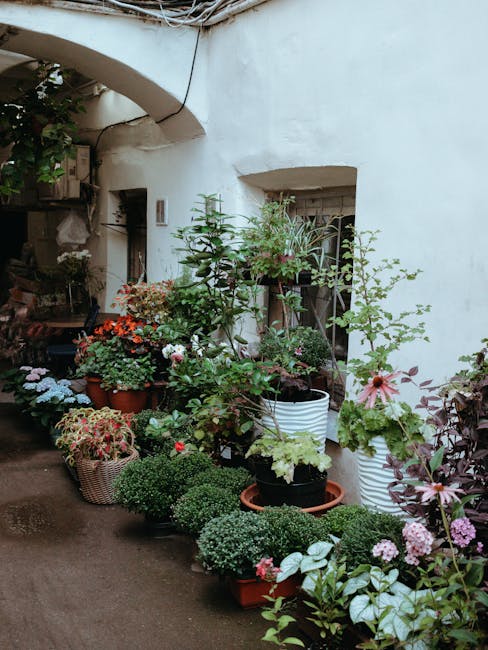
Here is a realistic example based on the kind of courtyard work that often comes up in KT9. A small rear courtyard had become visually busy: a few old pots, some uneven planting, stained paving, and a narrow layout that made the space feel tighter than it really was. Nothing was structurally wrong. It just looked tired.
The team began by removing dead material and anything that no longer served the garden. Then they cut back overgrown edges, cleared the paving, and reset the visual boundaries so the layout made more sense at a glance. A couple of existing planters were regrouped instead of replaced, which helped keep the look calm. One seating corner was left open rather than cluttered with extra furniture. Sensible choice, that.
By the end of the day, the courtyard felt cleaner, brighter, and larger. The transformation was not about adding lots of features. It was about taking pressure out of the space. The homeowner's main reaction was that the garden finally felt usable again. That is the sort of result people often hope for but do not quite know how to describe at the start.
In many cases, that outcome is helped by a business that can coordinate several small services well. If hedges or vertical boundaries are crowding the garden, hedge trimming can complement the courtyard refresh. If there is simply too much unwanted material in the way, garden clearance may be the right first move.
Practical Checklist
Use this checklist before you book or begin a one-day courtyard transformation.
- Decide what the courtyard should be used for most often
- List the items, plants, or features that should stay
- Identify clutter, dead growth, or broken materials to remove
- Check for slippery surfaces, uneven slabs, or access issues
- Think about light levels and shade before choosing plants
- Choose a simple style rather than overcomplicating the design
- Ask how waste will be cleared away
- Confirm whether the work needs clearance, trimming, or maintenance support
- Review safety, insurance, and terms before work starts
- Plan a realistic way to keep the courtyard tidy afterwards
If you can tick most of those off, you are in a good place. And if you cannot, that is fine too. It just means the project needs a bit more thought before the first cut is made.
Helpful local next step: if you are comparing service options, browse the service overview and see which combination fits your courtyard best.
Conclusion
A small courtyard does not need to feel cramped, dull, or awkward forever. With the right approach, even a tiny KT9 outdoor space can be transformed in a single day into something cleaner, calmer, and far more useful. The secret is not speed alone. It is clarity, restraint, and a practical eye for what the space actually needs.
Whether your courtyard needs clearing, shaping, planting support, or a simple tidy-up that restores order, the best results come from matching the method to the problem. That is what makes this sort of project so satisfying: you can see the change immediately, and you can feel it every time you step outside.
And honestly, there is something quietly uplifting about opening the back door and not being met by a jumble of neglected corners. It makes the whole home breathe a little easier.
Get a free quote today and see how much you can save.
If you want to understand the team behind the work, take a look at about us or get in touch through the contact page when you are ready to talk through the courtyard you have in mind.
Frequently Asked Questions
Can a small KT9 courtyard really be transformed in one day?
Yes, if the job is focused and the space does not need major construction or structural repairs. One-day transformations work best for clearing, tidying, trimming, surface cleaning, and light landscaping.
What is usually included in a one-day courtyard refresh?
It often includes clearance, cutting back overgrowth, surface cleaning, repositioning pots or features, and improving the overall layout. The exact scope depends on the current condition of the space.
Is a one-day service enough for a very neglected courtyard?
It can be enough for a visible reset, but badly overgrown or damaged courtyards may need clearance first, followed by further work later. Sometimes the smartest result is staged, not rushed.
How do I know whether I need garden clearance or landscaping?
If the space is mainly cluttered or overrun, clearance is usually the first step. If the area is already clear but needs better structure, planting, or flow, landscaping is more appropriate.
Will the courtyard look bigger after the work is finished?
Often, yes. Removing clutter, opening up sightlines, and simplifying the layout can make a small courtyard feel noticeably larger, even if the square footage has not changed at all.
What plants work best in a small courtyard?
That depends on how much light the space gets. In general, compact, hardy, and low-maintenance plants work well, especially when the layout already feels tight. Matching plants to shade or sun is more important than chasing trends.
How much maintenance will the courtyard need afterwards?
That depends on the design. Simple layouts with durable plants and tidy boundaries are easier to maintain than heavily planted, decorative spaces. Regular upkeep usually keeps the result looking fresh.
Do I need to be home while the gardeners work?
It depends on access and how the job is arranged. Some homeowners prefer to be present at the start, then leave the team to get on with it. Others stay nearby in case decisions are needed. Either way can work.
What should I ask before booking a courtyard transformation?
Ask what is included, how long the work is expected to take, whether waste removal is covered, and how safety and insurance are handled. It is also sensible to ask what happens if the courtyard has hidden issues once work begins.
Can the same team handle trimming, clearance, and maintenance?
Often, yes. A well-rounded gardening team can usually combine hedge trimming, garden clearance, and garden maintenance if the job requires it.
How do I keep the courtyard looking tidy after the transformation?
Keep the layout simple, remove fallen leaves or debris regularly, and avoid adding too many extra items. A short, regular maintenance routine is usually enough to protect the result.
Is it worth improving a courtyard if it is very small?
Absolutely. Small outdoor spaces can make a big difference to daily life once they are clean, well organised, and pleasant to look at. In many homes, a tiny courtyard is used more often than a bigger garden simply because it is easier to manage.